

Links Labels

Call us anytime

+971 58 162 0302

RFID Technology

How Asset Management Improves ROI for Businesses
asset management, Asset Tagging, Asset Tracking, Inventory Management, RFID Technology, smart labels

How Asset Management Improves ROI for Businesses

In today’s competitive business environment, maximizing return on investment (ROI) is a top priority for every organization. While many companies focus on marketing, sales, or expansion strategies, one critical area often overlooked is asset management. Effective asset management ensures that every piece of equipment, technology, and resource is used efficiently, maintained properly, and contributes directly to business growth. When done right, it can significantly boost ROI while reducing unnecessary costs. What Is ROI in Asset Management? ROI (Return on Investment) in asset management refers to the value a business gains from its assets compared to the cost of acquiring, maintaining, and operating them. Simply put:Better asset utilization + Lower costs = Higher ROI 1. Maximizing Asset Utilization One of the biggest ways asset management improves ROI is by ensuring that all assets are used efficiently. How it helps: When businesses know exactly how their assets are being used, they can make smarter decisions—leading to higher productivity without additional investment. 2. Reducing Operational Costs Poor asset management often results in unnecessary expenses such as repairs, replacements, or duplicate purchases. With proper asset management: By controlling these expenses, businesses can significantly improve their profit margins. 3. Preventing Asset Loss and Theft Lost or stolen assets directly impact ROI by increasing replacement costs. Asset management solutions help by: This ensures that businesses get maximum value from every asset they own. 4. Improving Maintenance Efficiency Reactive maintenance is expensive. Preventive maintenance is cost-effective. Benefits include: Scheduled maintenance ensures that assets continue to perform at optimal levels, directly contributing to higher ROI. 5. Better Financial Planning and Budgeting Accurate asset data helps businesses make informed financial decisions. With proper asset insights: This leads to smarter budgeting and improved financial performance. 6. Enhancing Productivity When employees have access to the right tools at the right time, productivity increases. Asset management supports this by: Higher productivity means more output with the same resources—boosting ROI. 7. Supporting Data-Driven Decision Making Modern asset management systems provide real-time data and analytics. This enables businesses to: Data-driven decisions reduce risks and improve overall business outcomes. 8. Ensuring Compliance and Reducing Risk Non-compliance can lead to penalties and financial losses. Asset management helps by: Reducing compliance risks protects business revenue and improves ROI. 9. Optimizing Asset Lifecycle Management Every asset has a lifecycle—from purchase to disposal. Effective lifecycle management: This balance helps businesses extract the maximum return from each asset. 10. Enabling Scalability and Growth As businesses grow, managing assets becomes more complex. With a strong asset management system: This ensures sustainable growth without unnecessary financial strain. Final Thoughts Asset management is not just an operational function—it’s a strategic tool that directly impacts profitability. By improving efficiency, reducing costs, and enabling smarter decision-making, businesses can significantly enhance their ROI. Organizations that invest in structured asset management systems gain a competitive advantage by turning their assets into powerful drivers of growth rather than hidden costs.

Common Asset Management Mistakes Businesses Make and How to Avoid Them
asset management, Asset Tagging, Asset Tracking, Inventory Management, RFID Technology, smart labels

Common Asset Management Mistakes Businesses Make and How to Avoid Them

Asset management plays a critical role in maintaining operational efficiency, reducing costs, and ensuring long-term business growth. Whether you are managing equipment, IT assets, or inventory, having a structured asset management system is essential. However, many businesses still make avoidable mistakes that lead to financial losses, inefficiencies, and compliance issues. In this guide, we’ll explore the most common asset management mistakes businesses make—and how you can avoid them. 1. Lack of a Centralized Asset Management System One of the biggest mistakes businesses make is managing assets manually or across multiple disconnected systems. This leads to confusion, data duplication, and poor visibility. Why it’s a problem: How to avoid it:Implement a centralized asset management system that allows real-time tracking, reporting, and updates. A unified platform ensures better control and transparency across your organization. 2. Poor Asset Tracking and Visibility Without proper tracking, businesses lose control over their assets. This often results in misplaced equipment, theft, or underutilization. Why it’s a problem: How to avoid it:Use asset tagging technologies such as barcodes, QR codes, or RFID systems to monitor assets in real time. This improves visibility and accountability. 3. Ignoring Preventive Maintenance Many companies only fix assets when they break down instead of maintaining them proactively. Why it’s a problem: How to avoid it:Set up automated maintenance schedules and reminders. Preventive maintenance ensures assets remain in optimal condition and reduces long-term costs. 4. Inaccurate or Outdated Asset Data Outdated asset records can lead to poor decision-making and compliance issues. Why it’s a problem: How to avoid it:Regularly audit and update your asset database. Ensure all assets are properly recorded, categorized, and tracked throughout their lifecycle. 5. Lack of Asset Lifecycle Management Many businesses focus only on acquiring assets but ignore their full lifecycle—from procurement to disposal. Why it’s a problem: How to avoid it:Adopt a lifecycle management approach that covers: 6. No Accountability or Ownership When no one is responsible for assets, it leads to misuse, negligence, and loss. Why it’s a problem: How to avoid it:Assign asset ownership to specific employees or departments. This creates accountability and ensures proper usage and care. 7. Underutilization of Assets Businesses often invest heavily in assets that are not fully utilized. Why it’s a problem: How to avoid it:Track asset usage data and identify underutilized resources. Reallocate or optimize these assets to maximize efficiency and return on investment. 8. Failure to Integrate Technology Relying on outdated systems or manual processes limits efficiency and scalability. Why it’s a problem: How to avoid it:Invest in modern asset management software with features like: 9. Ignoring Compliance and Documentation Businesses often overlook regulatory requirements related to asset management. Why it’s a problem: How to avoid it:Maintain proper documentation for all assets, including purchase records, maintenance logs, and disposal reports. Ensure compliance with industry regulations. 10. Lack of Employee Training Even the best systems fail if employees are not trained properly. Why it’s a problem: How to avoid it:Provide regular training to employees on asset management processes and tools. Ensure they understand the importance of proper tracking and maintenance. Final Thoughts Asset management is more than just tracking equipment—it’s about optimizing resources, reducing costs, and improving overall business performance. By avoiding these common mistakes, businesses can gain better control over their assets and achieve long-term operational success. A well-structured asset management strategy, supported by the right technology and processes, can transform the way your business operates—turning assets into powerful drivers of growth rather than hidden liabilities.

barcode vs rfid technology
RFID Technology

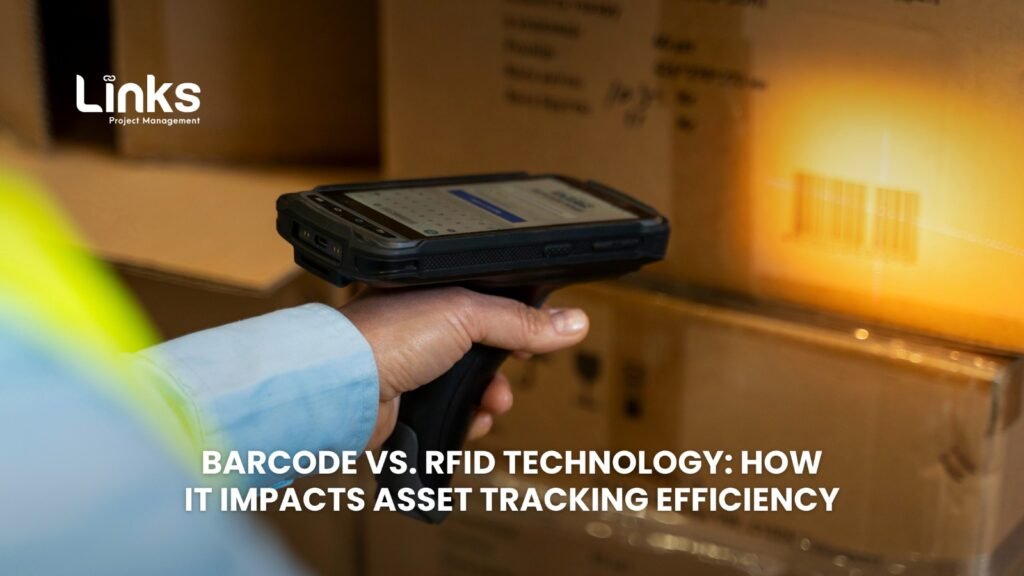
Barcode vs. RFID Technology: How It Impacts Asset Tracking Efficiency 

Efficient asset management is essential for businesses to maintain operational productivity, minimize losses, and reduce costs. In today’s competitive landscape, companies across industries rely on advanced technologies to track and manage their assets. Two of the most popular and widely used technologies for asset tracking are barcode and RFID (Radio Frequency Identification) systems. Each of these technologies offers unique benefits and challenges, but how do they compare in terms of asset tracking efficiency?  Before we explore the specifics of barcode and RFID technologies, it’s important to understand what asset tracking entails. Asset tracking refers to the process of managing and monitoring physical assets such as equipment, machinery, IT devices, inventory, and other valuable resources within an organization. The primary goal is to track the movement, status, and location of these assets in real time to optimize asset utilization, reduce losses, and ensure compliance.  To facilitate asset tracking, businesses often integrate software systems with technologies like barcode readers or RFID tags to identify, track, and locate assets quickly and accurately. Let’s take a closer look at these two primary asset tagging technologies.  Barcode Technology: Simple, Cost-Effective, and Efficient  Barcode technology is one of the oldest and most widely used methods for asset tracking. Barcodes are visual representations of data, consisting of parallel lines and spaces that encode information. Barcode readers can easily scan these codes to retrieve asset information.  How Barcode Technology Works  Each asset is assigned a unique barcode, typically printed on a label or tag that is attached to the physical item. A barcode reader scans the label, and the asset’s data is pulled from a database, providing real-time insights about the asset’s location, condition, or status.  Advantages of Barcode Asset Tracking  Low Initial Cost: One of the main benefits of barcode technology is its affordability. Barcode labels and readers are relatively inexpensive, making it a budget-friendly solution for businesses, especially small and medium-sized enterprises (SMEs).  Simple to Use: Barcode scanning systems are user-friendly and require minimal training. Employees can quickly learn how to use barcode readers for asset tracking, which helps streamline operations.  Accuracy: When implemented correctly, barcode asset tagging is highly accurate. Since barcodes are scanned in a controlled manner, the risk of errors is minimized, ensuring reliable asset tracking.  Widespread Adoption: Barcode technology has been around for decades and is well-established in the industry. As a result, barcode scanning equipment and software are widely available, and most businesses are already familiar with barcodes, making it a convenient choice.  Disadvantages of Barcode Technology  Line of Sight Requirement: One major limitation of barcode technology is that the barcode reader must be within line of sight of the barcode to scan it. This requirement can be time-consuming, especially in large or cluttered spaces, where assets are hard to reach or view.  Manual Scanning: Barcodes require manual scanning, which can slow down the tracking process, especially in environments with a large number of assets spread across different locations.  Wear and Tear: Barcodes are printed on labels that can become damaged or worn out over time. When barcodes are unreadable due to fading or physical damage, asset tracking can be delayed or compromised.  RFID technology is a more modern and advanced solution for asset tracking. Unlike barcodes, RFID (Radio Frequency Identification) uses radio waves to communicate with an RFID tag, making it a popular choice for large-scale asset tracking where automation and speed are critical.  How RFID Technology Works  An RFID tag is a small electronic device containing a microchip and an antenna. When an RFID reader sends out a radio frequency signal, the tag responds by transmitting its stored data to the reader, which updates the asset tracking system with the asset’s details. RFID technology doesn’t require direct line of sight to operate, allowing for more efficient asset tracking.  Advantages of RFID Asset Tracking  No Line of Sight Required: One of the key advantages of RFID technology over barcodes is that RFID tags do not require line of sight to be read. RFID readers can detect tags through walls, shelves, and other obstacles, making it ideal for tracking assets in large or cluttered environments.  Faster and Automated: RFID technology allows for automatic asset data capture without the need for manual scanning. RFID readers can track multiple assets simultaneously, significantly improving efficiency and reducing human error. This automation reduces the time spent on asset tracking tasks.  Durability: RFID tags are more durable than barcode labels. They can withstand harsh conditions such as exposure to chemicals, moisture, or extreme temperatures, making them well-suited for industries like manufacturing, logistics, healthcare, and construction.  Real-Time Data: RFID technology provides real-time updates on asset location and status. This feature is crucial for businesses that need up-to-date information on the movement and condition of assets as they move through various stages of operations or production.  Disadvantages of RFID Technology  Higher Initial Cost: The upfront costs of implementing an RFID system are higher compared to barcode systems. RFID tags and readers are more expensive, and RFID software requires a significant investment, especially for large-scale implementations.  Complexity: RFID systems are more complex to set up and manage compared to barcode systems. They require more technical expertise to integrate, and employees may need additional training to fully utilize the system.  Interference: RFID technology can experience interference from materials like metal and liquid, which can affect the accuracy of readings. This is an important consideration for environments where these materials are prevalent.  Barcode vs. RFID: Which Is Best for Your Business?  The choice between barcode and RFID technology largely depends on your business needs, asset volume, and budget. Here’s a quick comparison:  Feature  Barcode  RFID  Cost  Low Initial Cost  Higher Initial Cost  Line of Sight  Required  Not Required  Scanning Speed  Slower, manual scanning  Faster, automated scanning  Asset Tagging  Barcodes (physical labels)  RFID tags (electronic)  Durability  Prone to wear and tear  More durable, can withstand harsh conditions  Efficiency  Less efficient for large-scale operations  Highly efficient, automated, and scalable  Maximizing Efficiency with RFID Technology  When choosing between barcode and RFID for asset

RFID Technology, Uncategorized

The Power of Asset Tagging and RFID Technology for Efficient Management

In today’s dynamic business environment, efficient asset management plays a crucial role in optimizing operations and ensuring productivity. This blog explores the transformative capabilities of asset tagging and RFID technology, delving into how these tools can revolutionize the way businesses handle their valuable resources. Understanding Asset Tagging Asset tagging involves assigning unique identifiers, or “tags,” to physical assets, enabling organizations to track and manage them more effectively. These tags can come in various forms, including barcodes and QR codes, but one technology that stands out is RFID (Radio-Frequency Identification). The Impact of RFID Tags   RFID tags have become integral in asset management systems due to their ability to provide real-time data without direct line-of-sight scanning. These tags use radio frequency signals to communicate with RFID readers, offering a seamless and efficient way to collect information about assets. From equipment in manufacturing plants to inventory in warehouses, RFID tags enhance visibility and streamline tracking processes. Leveraging Asset Tagging for Enhanced Visibility Effective asset management relies on visibility, and asset tagging provides just that. By affixing tags to each asset, organizations gain a comprehensive overview of their inventory. This visibility facilitates quicker and more accurate asset tracking, reducing the likelihood of misplacement or loss. Optimizing Workflow   Asset tagging, when implemented strategically, optimizes workflow by expediting inventory checks and minimizing manual errors. Each tagged item becomes a data point in the larger system, contributing to a streamlined and efficient operational workflow. The Role of RFID in Preventing Loss and Theft RFID technology significantly contributes to loss prevention and security. With RFID tags, businesses can set up alerts for unauthorized movements of assets. The moment an asset with an RFID tag deviates from its designated area, the system triggers an alert, allowing for swift action to prevent loss or theft. Enhanced Security Measures  The security features of RFID tags extend beyond location tracking. These tags can be programmed with additional information, such as maintenance schedules or expiration dates, ensuring that assets are not only where they should be but also in optimal working condition. Streamlining Maintenance with Asset Tagging Beyond tracking, asset tagging plays a pivotal role in maintenance management. By associating maintenance schedules and history with asset tags, organizations can proactively schedule upkeep, minimizing downtime and extending the lifespan of valuable equipment. Proactive Maintenance Strategies Asset tagging facilitates the implementation of proactive maintenance strategies. With a centralized system that monitors the condition of assets, organizations can predict when maintenance is due, reducing the likelihood of unexpected breakdowns and the associated costs. The integration of asset tagging and RFID technology brings unparalleled advantages to businesses seeking to enhance their asset management practices. From improved visibility to streamlined workflows and enhanced security measures, these technologies prove to be invaluable assets themselves in the quest for operational excellence. Embrace the power of asset tagging and RFID tags to unlock a new era of efficiency and control in your organization.

Scroll to Top