
Links Labels

Call us anytime

+971 58 162 0302

Author name: admin

the importance of asset tacking and asset tagging dubai
Asset Tracking

The Importance of Asset Tagging and Tracking for Company Growth

In today’s fast-moving business world, managing assets efficiently is key to running smooth operations and growing a company. Asset tagging and tracking involve assigning unique identifiers, often in the form of barcodes or RFID tags, to physical assets like equipment, tools, or inventory. This system enables organizations to efficiently monitor asset location, usage, and maintenance status.  Asset tagging and tracking are crucial for this process, offering many benefits that help a company succeed. Here’s why they are important and what might happen if they are ignored. Why Asset Tagging and Tracking Are Important? Better Inventory Management: Asset tagging gives each item a unique identifier, making it easy to keep track of all assets and reducing the risk of loss or theft. Better inventory management involves optimizing the tracking, storage, and flow of goods to ensure efficient operations and meet customer demands. Effective strategies include utilizing inventory management software for real-time data, implementing just-in-time inventory to reduce excess stock, and categorizing inventory through techniques like ABC analysis. Integrating automation and adopting technologies like RFID and barcode scanning can streamline processes and reduce human error. Improved inventory management enhances order fulfillment, reduces costs, and boosts overall supply chain efficiency, contributing to higher customer satisfaction and better financial performance. Improved Asset Use: Real-time tracking helps companies use their assets more effectively. Knowing where and what condition each asset is in helps allocate them better, reducing downtime and increasing productivity. Improved asset use maximizes the efficiency and productivity of resources, reducing downtime and operational costs. By implementing tracking systems, preventive maintenance, and data analysis, organizations can optimize asset performance, extend their lifespan, and ensure they are utilized to their fullest potential, leading to enhanced overall efficiency and profitability. Efficient Maintenance: Efficient maintenance through asset tracking ensures timely servicing and reduces equipment downtime. By monitoring asset location, condition, and usage, organizations can schedule preventive maintenance, avoid unexpected failures, and extend asset lifespan. This proactive approach enhances operational efficiency, reduces repair costs, and improves overall productivity and reliability. Cost Savings: Accurate tracking helps with budgeting and financial planning. Companies can avoid buying unnecessary items and make smarter decisions about buying and disposing of assets. Compliance and Reporting: Many industries have rules about asset management. Asset tagging and tracking make it easier to generate reports and stay compliant with these regulations. How Asset Tagging Helps in Company Growth Operational Efficiency: Real-time data on asset locations and conditions reduces downtime and maximizes resource use, leading to more efficient operations. Financial Savings: Effective tracking prevents over-purchasing or under-utilizing assets, saving money. It also reduces losses from theft or misplacement. Better Decision Making: Up-to-date asset information allows for better planning and decision-making. Companies can analyze how well assets are performing and make data-driven choices. Customer Satisfaction: Efficient asset management ensures tools and equipment are always available, leading to timely delivery of products and services, which boosts customer satisfaction and loyalty. Competitive Edge: Companies with strong asset management can respond quickly to market changes and customer needs, giving them a competitive advantage. Consequences of Not Having Asset Tagging or Tracking Services Increased Loss and Theft: Without tagging and tracking, assets are more likely to be lost or stolen, causing significant financial losses. Poor Asset Use: Lack of tracking leads to inefficient use of assets. They might sit unused or be overused, causing inefficiencies and higher operational costs. Higher Maintenance Costs: Untracked assets often miss regular maintenance, leading to frequent breakdowns and higher repair costs. Poor Financial Management: Inaccurate asset records make budgeting difficult. Companies might overspend on new assets while existing ones are underused. Compliance Risks: Not complying with asset management regulations can result in fines and legal issues, damaging the company’s reputation and finances. Lower Productivity: Wasting time searching for untracked assets can decrease productivity and hurt overall business performance. Final Thoughts Links Project Management, a leading company in Dubai, provides top-tier asset tagging and tracking services. These services are essential for a company’s growth and efficiency, ensuring better management, use, and security of assets. This contributes to operational excellence and financial stability. Neglecting asset tagging and tracking can result in significant challenges, including financial losses, inefficiencies, and compliance issues. Therefore, investing in robust asset management solutions is crucial for any company aiming for sustained growth and success.
Uncategorized

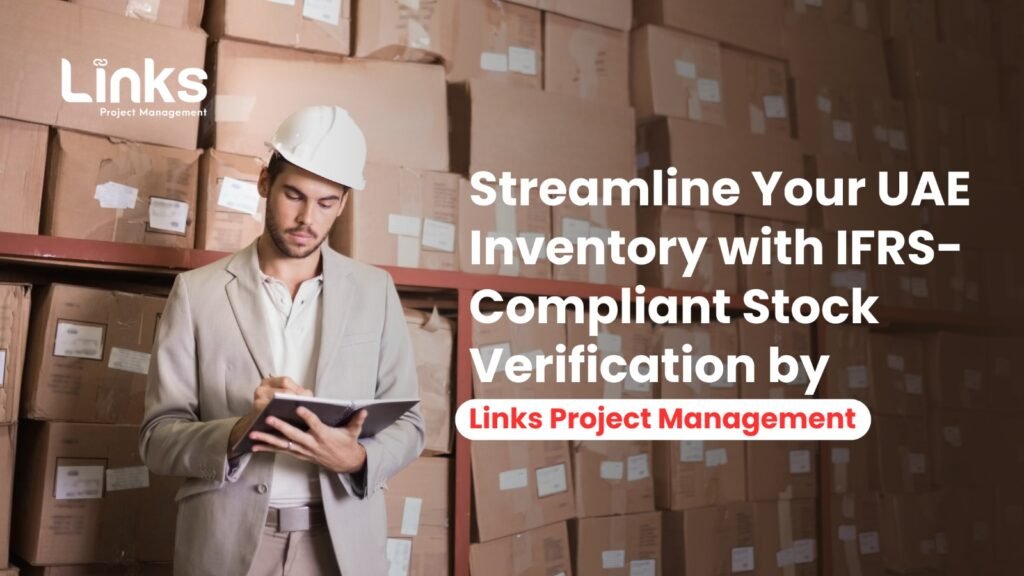
Streamline Your UAE Inventory with IFRS-Compliant Stock Verification by Links Project Management

Stay compliant and confident with your inventory management in the UAE. At Links Project Management, we understand the importance of accurate inventory control for businesses in the UAE. Following International Financial Reporting Standards (IFRS) is crucial, and a key aspect is ensuring a robust stock verification process. Why is Stock Verification Important? Regular stock verification, also known as inventory counting, is essential for several reasons: IFRS Compliance: IFRS standards, like IAS 2 Inventories, mandate regular physical counts to ensure accurate inventory valuation. Financial Reporting Accuracy: Precise inventory records are vital for generating reliable financial statements. Reduced Costs: Accurate stock levels help minimize stock outs, overstocking, and shrinkage (loss of inventory). Improved Decision-Making: Having a clear picture of inventory empowers better business decisions. Links Project Management: Your Stock Verification Partner Our team of experts can guide you through the entire stock verification process, ensuring compliance with IFRS and UAE regulations. Here’s what we offer: IFRS-Aligned Procedures: We develop stock verification plans tailored to your business, following IFRS guidelines. Experienced Professionals: Our team has extensive experience in stock verification for businesses across various industries in the UAE. Minimized Disruption: We use efficient counting techniques, like cycle counting, to minimize disruption to your operations. Data Reconciliation and Analysis: We reconcile physical counts with accounting records, investigate discrepancies, and provide valuable insights. Benefits of Choosing Links Project Management Peace of Mind: Gain confidence in your inventory accuracy and IFRS compliance. Cost Savings: Our efficient processes can help you optimize inventory levels and reduce costs. Improved Decision-Making: Data-driven insights empower you to make informed business decisions. Enhanced Efficiency: Streamline your stock verification process with our expertise. Ready to take control of your UAE inventory? Contact Links Project Management today for a free consultation on your stock verification needs. We’ll help you establish a robust and IFRS-compliant system, ensuring accurate financial reporting and improved business performance.

asset tagging and inventory control
Asset Tagging

Asset Tagging & Inventory Control: Revolutionizing Industries

From mere tracking to strategic weapon: Asset tagging and inventory control are transforming businesses across diverse industries. This isn’t just about knowing where things are; it’s about unlocking significant financial benefits, optimizing operations, and mitigating risks. Industry Focus Hospitality: Imagine real-time linen/equipment tracking boosting guest satisfaction and minimizing loss. IoT integrations make it possible, while smart room technology personalizes experiences. Healthcare: Ensure compliance and patient safety with real-time medical equipment tracking and automated inventory management. NFC tags streamline workflows and optimize maintenance. Manufacturing: Minimize downtime and optimize production with predictive maintenance based on real-time asset data. Sensor-embedded assets enhance maintenance schedules and reduce disruptions. Retail: Improve stock accuracy and fulfillment with omnichannel inventory management integrating online and physical stores. RFID tags on individual items reduce shrinkage and boost profitability. Pharmaceuticals: Real-time tracking of high-value drugs and research materials via smart packaging and connected sensors ensures security, compliance, and efficient production. Blockchain strengthens track & trace capabilities, minimizing counterfeit risks. Hospitals: Integrate asset management systems with patient care platforms to optimize equipment utilization, streamline clinical workflows, and enhance patient outcomes. RFID tags on medical devices and patient wristbands improve safety and location tracking. Market Growth & Tech Integration: This strategic shift is driving the global market to reach US$30.59 billion by 2026. Further enhancing it is the integration of AI and ML for advanced data analysis and predictive capabilities. Emerging Tech for Future-Proofing Blockchain: Secures and streamlines asset tracking, minimizing fraud and theft. Big Data Analytics: Provides insights into asset utilization patterns, facilitating informed financial decisions. Digital Twins: Virtual representations of physical assets help predict potential risks and optimize maintenance schedules. Unlocking Success By embracing these advancements, businesses can confidently Maximize financial benefits: Reduced downtime, optimized production, improved inventory accuracy, and enhanced customer experiences translate to financial gains. Streamline operations: Real-time asset tracking, predictive maintenance, and streamlined workflows ensure efficiency and minimize disruptions. Mitigate risks: Secure asset tracking, compliance adherence, and predictive risk assessment reduce financial exposure and ensure regulatory compliance. Embrace the future: With careful consideration of cost-effectiveness, data security, and implementation challenges, businesses across industries can leverage these solutions to transform their asset management strategies and achieve tangible financial success.

RFID Technology, Uncategorized

The Power of Asset Tagging and RFID Technology for Efficient Management

In today’s dynamic business environment, efficient asset management plays a crucial role in optimizing operations and ensuring productivity. This blog explores the transformative capabilities of asset tagging and RFID technology, delving into how these tools can revolutionize the way businesses handle their valuable resources. Understanding Asset Tagging Asset tagging involves assigning unique identifiers, or “tags,” to physical assets, enabling organizations to track and manage them more effectively. These tags can come in various forms, including barcodes and QR codes, but one technology that stands out is RFID (Radio-Frequency Identification). The Impact of RFID Tags   RFID tags have become integral in asset management systems due to their ability to provide real-time data without direct line-of-sight scanning. These tags use radio frequency signals to communicate with RFID readers, offering a seamless and efficient way to collect information about assets. From equipment in manufacturing plants to inventory in warehouses, RFID tags enhance visibility and streamline tracking processes. Leveraging Asset Tagging for Enhanced Visibility Effective asset management relies on visibility, and asset tagging provides just that. By affixing tags to each asset, organizations gain a comprehensive overview of their inventory. This visibility facilitates quicker and more accurate asset tracking, reducing the likelihood of misplacement or loss. Optimizing Workflow   Asset tagging, when implemented strategically, optimizes workflow by expediting inventory checks and minimizing manual errors. Each tagged item becomes a data point in the larger system, contributing to a streamlined and efficient operational workflow. The Role of RFID in Preventing Loss and Theft RFID technology significantly contributes to loss prevention and security. With RFID tags, businesses can set up alerts for unauthorized movements of assets. The moment an asset with an RFID tag deviates from its designated area, the system triggers an alert, allowing for swift action to prevent loss or theft. Enhanced Security Measures  The security features of RFID tags extend beyond location tracking. These tags can be programmed with additional information, such as maintenance schedules or expiration dates, ensuring that assets are not only where they should be but also in optimal working condition. Streamlining Maintenance with Asset Tagging Beyond tracking, asset tagging plays a pivotal role in maintenance management. By associating maintenance schedules and history with asset tags, organizations can proactively schedule upkeep, minimizing downtime and extending the lifespan of valuable equipment. Proactive Maintenance Strategies Asset tagging facilitates the implementation of proactive maintenance strategies. With a centralized system that monitors the condition of assets, organizations can predict when maintenance is due, reducing the likelihood of unexpected breakdowns and the associated costs. The integration of asset tagging and RFID technology brings unparalleled advantages to businesses seeking to enhance their asset management practices. From improved visibility to streamlined workflows and enhanced security measures, these technologies prove to be invaluable assets themselves in the quest for operational excellence. Embrace the power of asset tagging and RFID tags to unlock a new era of efficiency and control in your organization.

Uncategorized

Asset Management – Optimizing Inventory Visibility

In the fast-paced world of asset management, where precision and efficiency are paramount, the significance of accurate inventory data cannot be overstated. Your inventory is not merely a collection of goods; it is the lifeline of your operations. Stock verification and counting emerge as the cornerstones that fortify your supply chain, making it agile, efficient, and cost-optimized. In this blog, we explore the reasons why prioritizing these practices is crucial and how they can be instrumental in shaping a thriving business landscape. The Strategic Imperative of Accurate Counts in Asset Management In the competitive landscape of business, transparency is a formidable asset. Accurate inventory counts provide a transparent lens into your assets, empowering you to make informed, data-driven decisions. This transparency allows you to optimize purchase orders, minimize overstocking, and prevent costly stockouts. The result? Enhanced customer satisfaction through on-time deliveries and contented customers. In the vibrant business environment, impeccable inventory records also pave the way for smooth tax audits and reduced financial risks, facilitating seamless tax compliance and risk mitigation. Unveiling Operational Inefficiencies for Cost Reduction Identifying shrinkage and discrepancies in your inventory is not just about minimizing losses; it’s about proactively addressing operational inefficiencies. This proactive approach leads to significant cost reductions. Beyond traditional annual stock takes, consider embracing cycle counting. Regularly targeting high-value or vulnerable items for frequent verification ensures real-time data accuracy. Additionally, integrating technology, such as barcode scanners and inventory management software, can improve process efficiency and minimize human error in asset management. Benefits of Prioritizing Stock Verification The benefits of prioritizing stock verification in asset management companies extend far beyond accurate numbers on a spreadsheet. Enhanced inventory visibility optimizes cash flow, reduces waste, and supports strategic investment decisions, ultimately leading to improved financial performance. Proactive inventory management fosters greater agility and responsiveness, providing a crucial edge in today’s dynamic market. Moreover, accurate data builds trust with investors, lenders, and partners, solidifying your financial credibility. Turning Burdens into Building Blocks It’s essential to shift the perspective on stock verification and counting. They are not burdensome tasks but rather building blocks that unlock the full potential of your inventory. Prioritizing these practices is the key to driving profitability and navigating the ever-evolving business landscape with confidence. Invest in accurate inventory data; it’s not just good accounting – it’s good business.

Scroll to Top